Instruments: From Sensor to Sample
In the Eurasian and Amerasian basins, a warming signal across a decade can be smaller than 0.04°C, and a freshwater shift across the halocline is measured in hundredths of a gram per kilogram. Detecting signals that small requires understanding how sensors work, why they drift, and how physical bottle samples anchor electronic logs.
Inside a Pumped Dual-Sensor CTD Cast
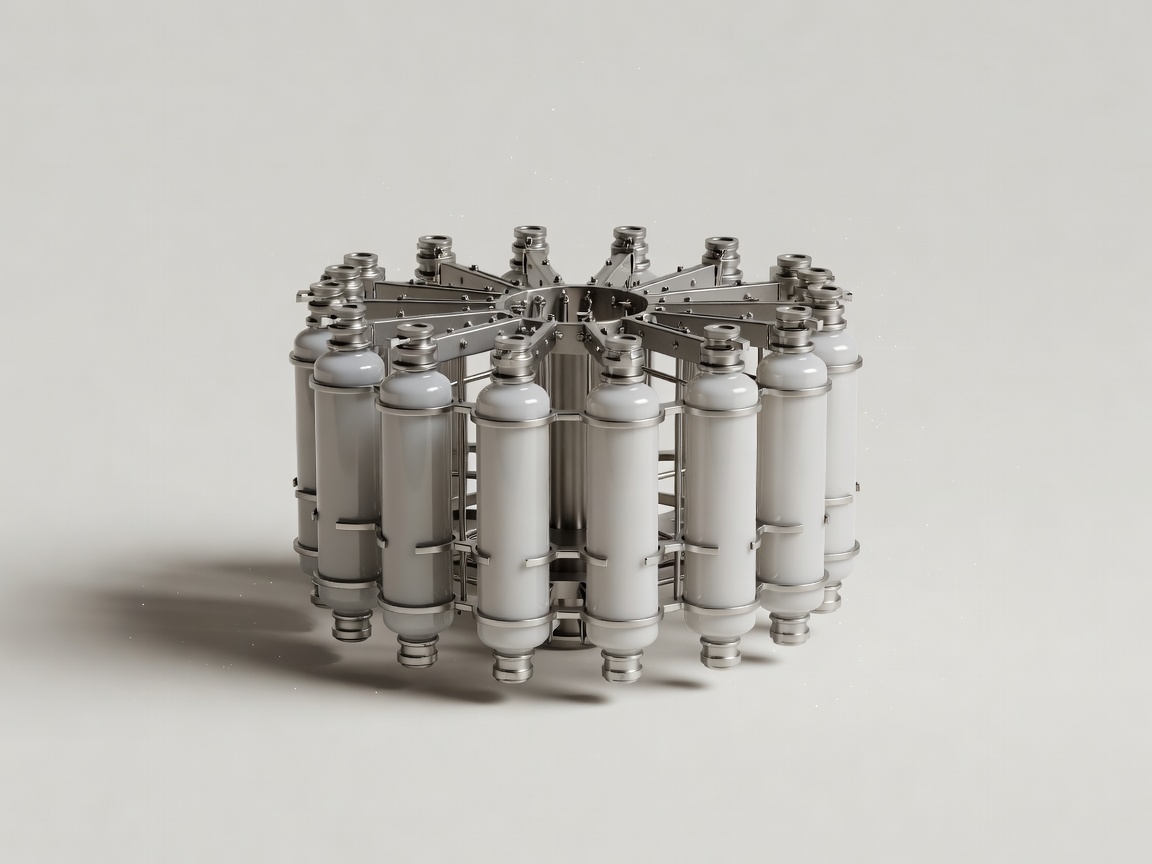
The workhorse of physical oceanography is the Conductivity-Temperature-Depth (CTD) profiler, typically a Sea-Bird SBE 911plus mounted at the base of a 12- to 36-bottle carousel. Why are temperature and conductivity sensors paired inside a pump-flushed U-tube duct? Because calculating salinity from conductivity requires knowing the exact temperature of the exact same water parcel at the exact same millisecond.
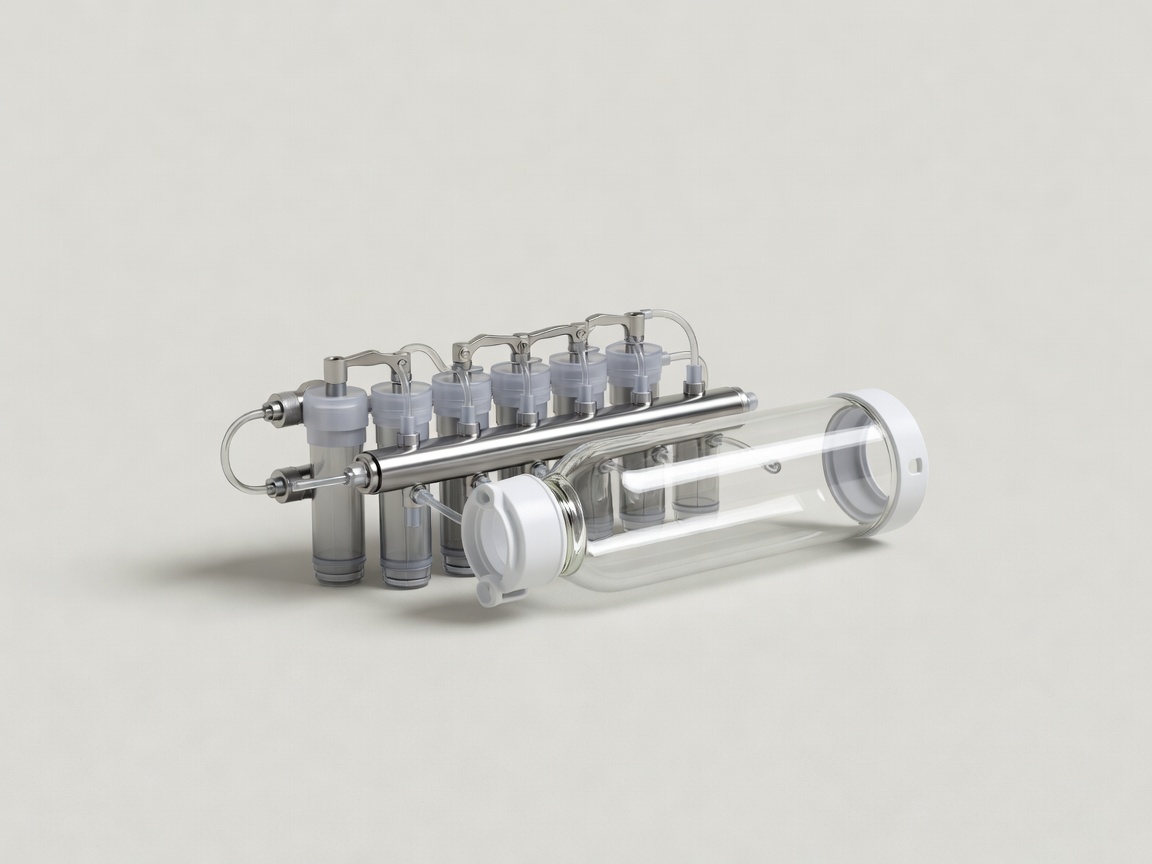
Without a constant-flow pump (typically 30 millilitres per second), the thermal mass of the conductivity cell causes a slight response lag as the rosette passes through sharp Arctic thermoclines, producing artificial "salinity spikes" in raw data. Research expeditions deploy redundant primary and secondary temperature-conductivity pairs on every cast; if the two channels diverge by more than 0.002°C, technicians inspect the cell for frazil ice crystals or biological fouling.
Why Electronic Sensors Still Need Bottled Water
During the upcast, a hydrographer watching real-time traces on the deck unit presses a trigger at selected depths (such as the chlorophyll maximum, the core of the Atlantic Water layer around 300 m, and the benthic boundary layer). An electrical pulse releases a lanyard on the carousel pylon, snapping both end-caps shut on a 10-litre PVC Niskin bottle.
Back in the ship’s constant-temperature laboratory, analysts draw water in a strict sequence according to gas volatility: dissolved oxygen (Winkler titration) and CFC/SF6 transient tracers first, followed by Dissolved Inorganic Carbon (DIC), total alkalinity, nutrients, and finally Guildline Autosal salinometer vials standardized against IAPSO Standard Seawater. For dissolved iron or zinc—present at picomolar concentrations—crews switch to Kevlar cables and Teflon-lined Go-Flo bottles that pass through the ship’s surface slick closed and open hydrostatically at 10 m depth.
Observing the Ocean When Ships Leave
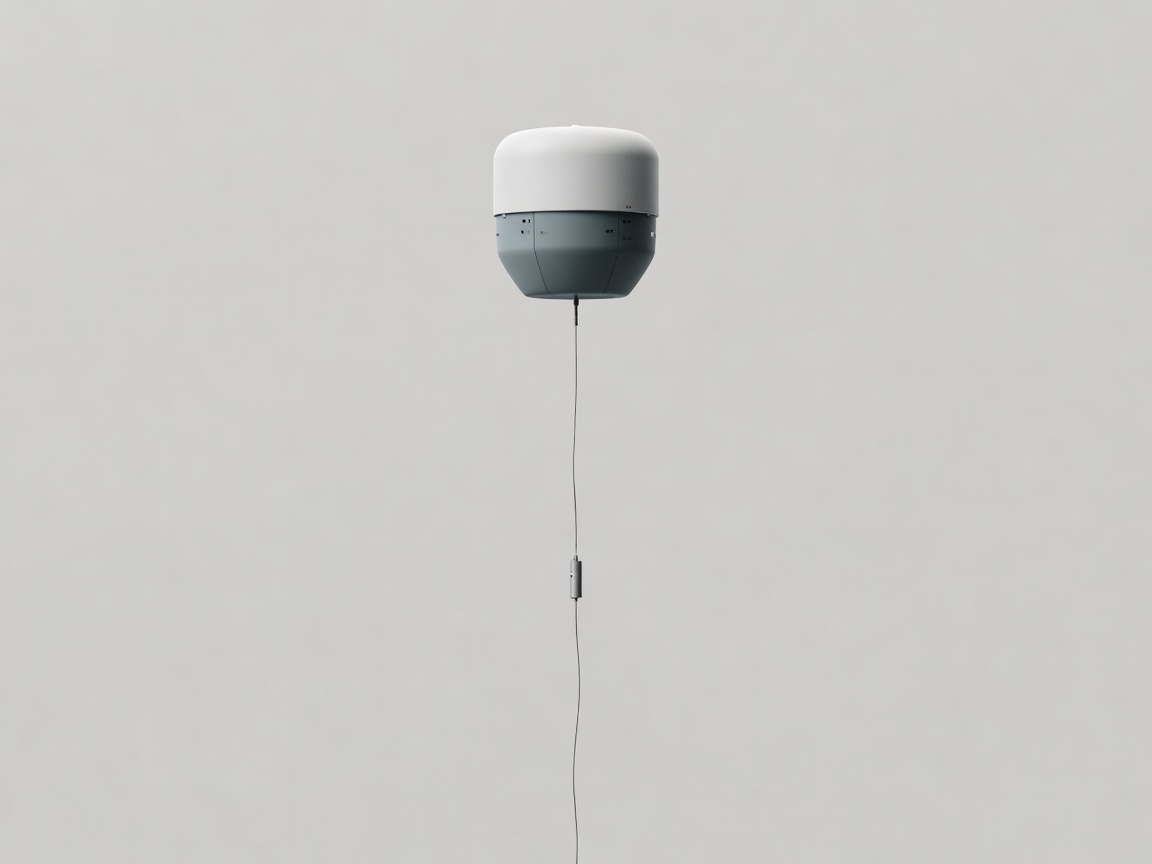
Shipboard casts provide unsurpassed chemical breadth, but vessels rarely remain in the high Arctic throughout the winter. To fill the seasonal gap, oceanographers deploy Ice-Tethered Profilers (ITPs) and autonomous Seagliders. An ITP consists of a surface buoyancy foam cylinder sitting atop an ice floe and an 800-metre plastic-jacketed wire hanging vertically into the ocean below.
A cylindrical instrument vehicle motors up and down the tether wire two to four times per day, measuring temperature, salinity, and dissolved oxygen between 7 m and 750 m depth. Data travel inductively up the wire to the surface buoy and via Iridium satellite to shore laboratories within minutes. For horizontal transects beneath pack ice, buoyancy-driven gliders navigate by listening to low-frequency (780 Hz) acoustic RAFOS sound sources moored across the basin, since GPS signals cannot penetrate even a few centimetres of seawater or ice.
| Instrument System | Primary Variable | Raw Physical Proxy | Typical Field Uncertainty | Reference Calibration |
|---|---|---|---|---|
| SBE 3plus Thermometer | In-situ Temperature (ITS-90) | Platinum resistance drift | ±0.001 °C (drift 0.0002 °C/mo) | Triple-point of water & gallium cell bath |
| SBE 4C Conductivity | Practical / Absolute Salinity | 3-electrode borosilicate conductance | ±0.0003 S/m (~0.002 g/kg) | Shipboard Autosal + IAPSO OSIL batch |
| Digiquartz Pressure | Hydrostatic Pressure / Depth | Quartz crystal resonant frequency | ±0.015% of full-scale range | Dead-weight piston gauge + deck barometric offset |
| SBE 43 / Optode | Dissolved Oxygen (µmol/kg) | Polarographic current / luminescence phase | ±1% to 2% of saturation | Discrete shipboard Winkler titrations |
| Lowered ADCP (300 kHz) | Water Velocity Vector (u, v) | Doppler phase shift off plankton/particles | ±1.5 to 3.0 cm/s per profile | Bottom-track acoustic return + GPS ship fix |